Dynamic mixers are indispensable in many industries. They ensure precise, uniform, and efficient mixing of liquids. The proper operation of the mixer directly impacts product quality, process efficiency, and the reduction of production costs.
However, as with any other mechanical equipment, neglecting scheduled maintenance and repairs (preventive maintenance) can lead to reduced efficiency, unexpected breakdowns , and even production stoppages over time .
This article deals in detail with the concept of project management in dynamic mixing plants, its key components, planning, implementation methods and benefits.
Concept of preventive maintenance (PM)
Preventive maintenance encompasses a series of regularly performed measures on equipment to prevent unexpected failures. Unlike repairs, which only occur after a failure , preventive maintenance aims to avoid failures and improve reliability.
In dynamic mixers, the addition of PM directly increases the service life of the components and improves the mixing quality.
Key components of dynamic mixers that require PM
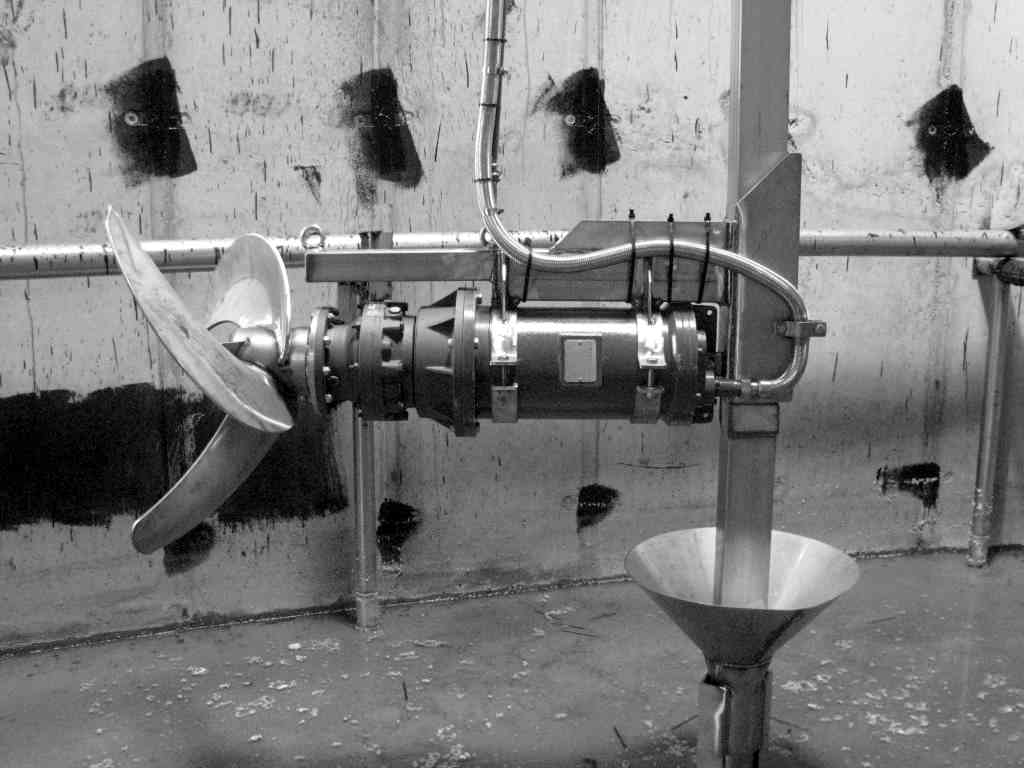
For the effective implementation of a control program, it is necessary to first understand the most important elements of a mixer:
-
electric motor
-
The main energy source.
-
Temperature, vibration, electrical connection and bearing lubrication monitoring are required.
-
-
gearbox or manual transmission
-
It is responsible for reducing the rotational speed and increasing the torque.
-
Checking the oil level and the condition of gears and seals is crucial.
-
-
axis
-
The power is transferred from the motor to the fan.
-
Sensitive to bending, vibration, and imbalance.
-
-
Bearings and cylinder bearings
-
Axle bearings and main friction points.
-
Adequate lubrication, temperature control and vibration damping must be ensured.
-
-
Strength/Blade
-
The part that is in direct contact with the liquid.
-
Subject to corrosion, damage and deformation.
-
-
Mechanical seal or packing
-
Make sure that no fluid leaks from the hub bore.
-
One of the most sensitive parts of your mixer.
-
-
Main part and subjects
-
It is necessary to check for corrosion, cracks, and leaks.
-
Dynamic PM planning for mixers
1. Daily maintenance
-
Visual inspection of the vehicle body and the assembly site
-
Pay attention to unusual noises and vibrations.
-
Monitoring of engine and bearing temperature
-
Cleaning of device surfaces
2. Weekly maintenance
-
Checking the transmission oil level
-
Check the mechanical seal or packaging for leaks.
-
Check that the screws and connections are tightened securely.
3. Monthly maintenance
-
Shaft and motor vibration measurements
-
Lubricate the bearings with a suitable grease.
-
Motor current draw test
-
Check the fan balance.
4. Seasonal Maintenance
-
Change transmission oil (if necessary)
-
Check the thickness of the wheel for wear.
-
Calibration of control and measuring devices (e.g. sensors)
-
Check the alignment of the shaft and motor.
5. Annual maintenance
-
Completely disassemble the gearbox and check the gears.
-
Testing the electrical insulation of motor windings
-
Replace the packaging or check the mechanical seal.
-
Complete bodywork inspection and repainting (if corrosion is detected)
Modern technology of the dynamic mixer PM
In addition to traditional methods, modern, highly developed industries use modern technologies to improve loss management:
-
Vibration analysis:
identification of bearing defects, impeller balancing and concentricity. -
Oil analysis:
Monitor the condition of your gearbox by examining the oil for wear particles. -
Thermal imaging camera:
Detects hotspots in engines and electrical connections. -
Online condition monitoring:
Sensors are installed to record data and send it to a central monitoring system.
Advantages of using PM in dynamic mixers
-
Extend the lifespan of your devices: Reduce wear and tear on important components.
-
Reduce production downtime : Avoid unexpected disruptions.
-
Improve product quality : Maintain homogeneity of the mixture .
-
Lower repair costs : The costs for preventive maintenance are significantly lower than the costs for emergency repairs.
-
Increased safety : Prevents dangerous leaks and mechanical failures.
Hydrodynamics and performance characteristics
Case studies
An industrial coatings manufacturer had five dynamic motors that were idle for over 120 hours annually due to a lack of scheduled maintenance. After implementing a scheduled maintenance system:
-
Production downtime has been reduced to 30 hours per year.
-
The energy consumption of the mixer was reduced by 12%.
-
Annual maintenance costs were reduced by 40%.
This example shows that project management does not cause additional costs, but is a worthwhile investment.
Problems with the implementation of project management
-
Shortage of skilled workers
-
Management is ignoring the hidden costs of failure.
-
Lack of status monitoring tools
-
Production stoppage and project management
Solution: Use a computerized maintenance management system (CMMS) for precise planning, resource allocation, and data analysis.
The Prime Minister’s recommended checklist for dynamic mixers
-
Daily sound and vibration tests
-
Mechanical protection against flooding and leaks
-
Monthly bearing lubrication
-
Check the axle geometry every season.
-
Replace packaging or mechanical seal annually.
-
Annual motor inspection (electricity and insulation)
-
The sensor should be calibrated every 6 months.
Finally
Dynamic motors are essential equipment in many industries, requiring careful maintenance and planning to prevent unexpected breakdowns. Preventive maintenance not only reduces repair costs but also improves efficiency, product quality, and workplace safety.
By using modern condition monitoring methods and careful planning, the service life of a mixer can be extended many times over, thus avoiding hidden costs due to production downtime.